Insulation
Retrofitting a Victorian Home: Insulation Solutions That Actually Work
- 3 Jun, 2026
- 6 min read
London is famous for its beautiful Victorian homes. They are packed with character, high ceilings, and period charm. Unfortunately, they also tend to be cold or expensive to heat - in the winter months.
If you live in a pre-1919 property, you already know the struggle of trying to keep it warm in winter without watching your energy bills skyrocket. Solid brick walls are one of the reasons for this.
Unlike modern houses built with cavity walls, older London homes were built with a single, solid layer of brick. These walls lose heat at many times the rate of a modern cavity wall and can account for a significant proportion of your home's total heat loss.
So, what is the solution? When it comes to retrofitting a Victorian home, insulating those solid walls can be one of the most effective steps you can take. But getting it wrong can lead to serious damp issues. Here is our expert guide on how to do it right.
Ready to Make Your Victorian Home Cosy
Don't guess what your home needs. Get a tailored Whole House Plan from our qualified Retrofit Coordinators. We assess your property and recommend the right measures in the right order. We can also connect you with trusted, vetted installers.
The two main options: Internal vs. External wall insulation
Because you cannot simply "fill a gap" in a solid wall, insulation must be added directly to either the inside or the outside of your property.

1. Internal wall insulation (IWI)
Internal Wall Insulation involves fitting insulation against the inside of your exterior-facing walls.
- The pros: It doesn't change the outside appearance of your home, making it the go-to choice for homes in London's many conservation areas or for listed buildings.
- The cxons: It will slightly reduce the floor space of the room. Skirting boards, power sockets, and radiators will need to be temporarily removed and re-fitted.
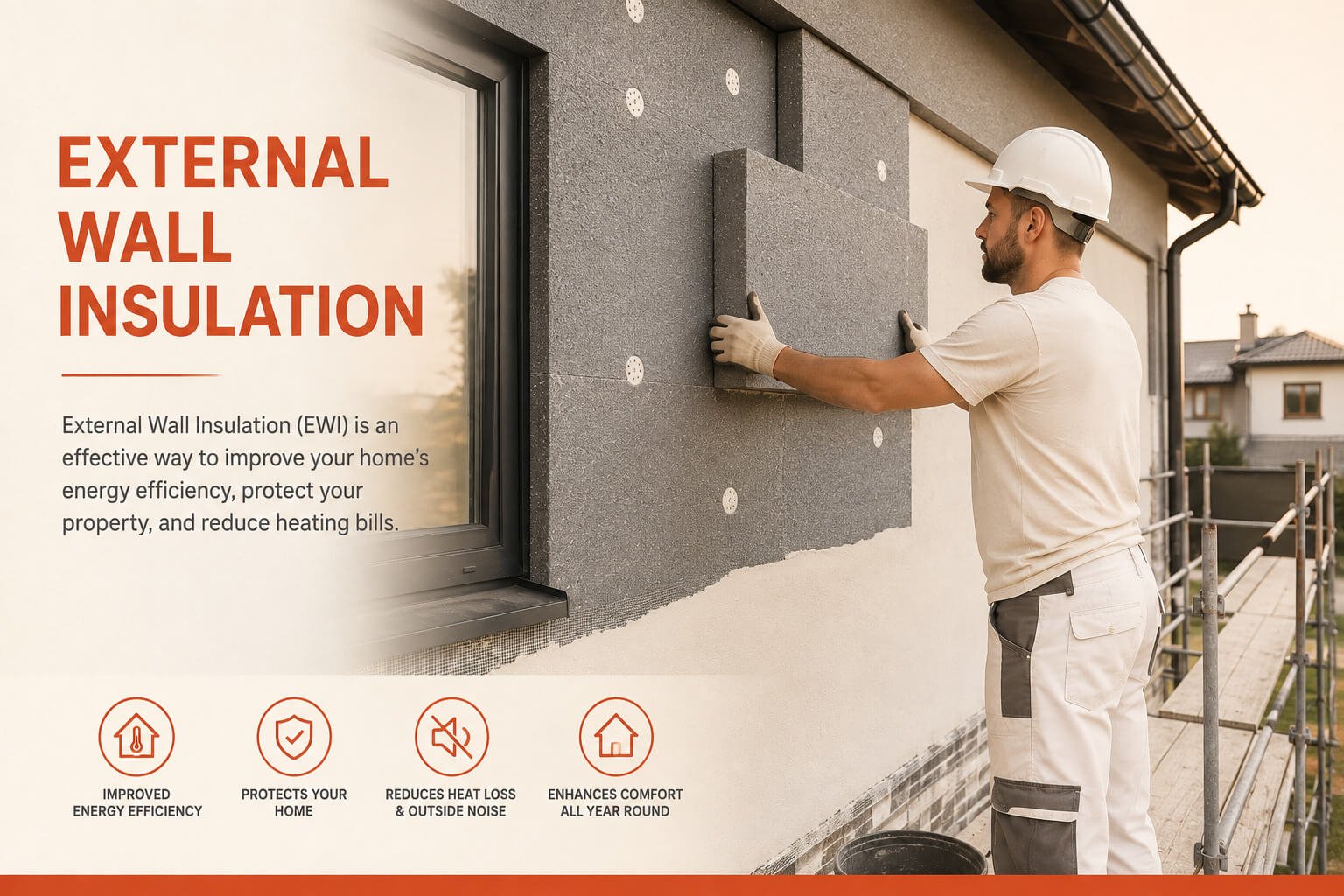
2. External wall insulation (EWI)
External Wall Insulation involves fixing a layer of insulation material to the outside of the building, which is then covered with a special protective render or cladding.
- The pros: It doesn't disrupt your interior living space, and it can dramatically improve the lifespan of your brickwork by protecting it from the harsh British weather. It also achieves slightly better thermal performance than IWI by minimising "thermal bridging."
- The cons: It completely changes the look of the property. For a Victorian home, this means losing exposed brickwork. In many London boroughs, planning permission is required for EWI on a period property.
The danger of damp (and how to avoid It)
If there is one thing you must know about retrofitting an older home, it is this: Victorian houses need to breathe.
Key fact
Victorian houses need to breathe
Originally, homes managed moisture through natural ventilation and "breathable" building materials. If you seal up the walls with inappropriate insulation materials, you change how moisture behaves. If the wrong materials are used - like non-breathable insulation, render or plaster moisture gets trapped. This can lead to black mould and potentially structural decay.
Breathability
Damp risk
Ventilation
This is why taking a "whole-house" approach is vital. When we add insulation at Cosy Homes London, our Retrofit Coordinators also assess your home's ventilation to ensure fresh air circulates properly (in line with the latest Building Regulations Part F), keeping your home warm and dry.
Why "Fabric first" matters?
We speak to a lot of London homeowners who want to jump straight to installing an Air Source Heat Pump. While heat pumps are fantastic, putting one in a draughty, uninsulated Victorian home is often not the best solution. The heat pump system will have to work too hard to replace the heat leaking through the walls, or a bigger unit will be required.
At Cosy Homes London, we believe in a fabric-first approach. Insulate the walls, roof and floors, upgrade the windows, and stop the draughts first. Once the fabric of the building is sorted, your heating system can be smaller, cheaper to run, and much more efficient.
FACTs
Let's make things happen
Tell us about your home and we’ll join up the right energy upgrades so everything works as one simple plan.