One trusted place for all your home upgrades.
From first visit to final sign‑off, we guide your home energy upgrades step by step, so you know what’s happening, what it costs, and end up with a warmer, easier‑to‑run home.
- 15-minute call with one of our team.
Until a clear understanding of your options and next steps.
Services
Our 3 Simple steps process
Stage 1: We visit and plan together
We come to your home, listen to the problems you’re noticing, and make a clear, step‑by‑step plan of what to do first, what can wait, and roughly what it will all cost.
Our services includes:
- A careful 2-3 hour look round your home.
- A picture of how improvements could help.
- Follow‑up chat to go through the plan.
Stage 2: Upgrade design and trusted installers
Next, we turn that plan into clear designs and help you choose reliable local installers, checking every quote for you.
What we do at this stage
- Simple, detailed designs for the energy upgrades.
- We select the best installers for the upgrades.
- Quotes reviewed to make sure they’re fair and match the agreed work.
- Final scope agreed so everyone knows exactly what will happen.
Stage 3: Easy installation and a warmer home
We set the timetable, manage all the installers and keep an eye on quality, so the work fits around your life and there are no nasty surprises.
Our services
- A full schedule planned around your routine.
- All installers managed and coordinated for you.
- Weekly updates from your assigned coordinator.
- We keep you updated, check the quality, and only sign off when everything is working as it should.
Services
Our 3 Simple steps process
Stage 1: We visit and plan together
We come to your home, listen to the problems you’re noticing, and make a clear, step‑by‑step plan of what to do first, what can wait, and roughly what it will all cost.
Our services includes:
- A careful 2-3 hour look round your home.
- A picture of how improvements could help.
- Follow‑up chat to go through the plan.
Stage 2: Upgrade design and trusted installers
Next, we turn that plan into clear designs and help you choose reliable local installers, checking every quote for you.
What we do at this stage
- Simple, detailed designs for the energy upgrades.
- We select the best installers for the upgrades.
- Quotes reviewed to make sure they’re fair and match the agreed work.
- Final scope agreed so everyone knows exactly what will happen.
Stage 3: Easy installation and a warmer home
We set the timetable, manage all the installers and keep an eye on quality, so the work fits around your life and there are no nasty surprises.
Our services
- A full schedule planned around your routine.
- All installers managed and coordinated for you.
- Weekly updates from your assigned coordinator.
- We keep you updated, check the quality, and only sign off when everything is working as it should.
Let's make things happen
Tell us about your home and we’ll join up the right energy upgrades so everything works as one simple plan.

Case study
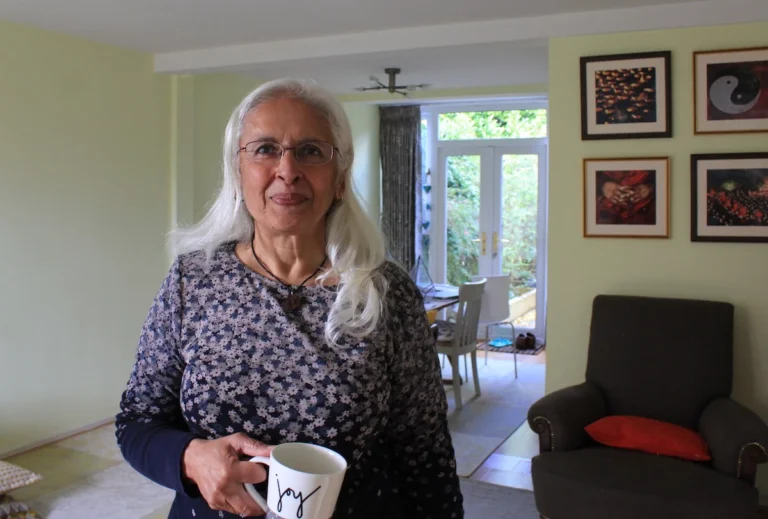
Nilam transformed her 1960s Paddox estate house to reflect what she truly believes in – adding a heat pump, insulation Read more...
Case study
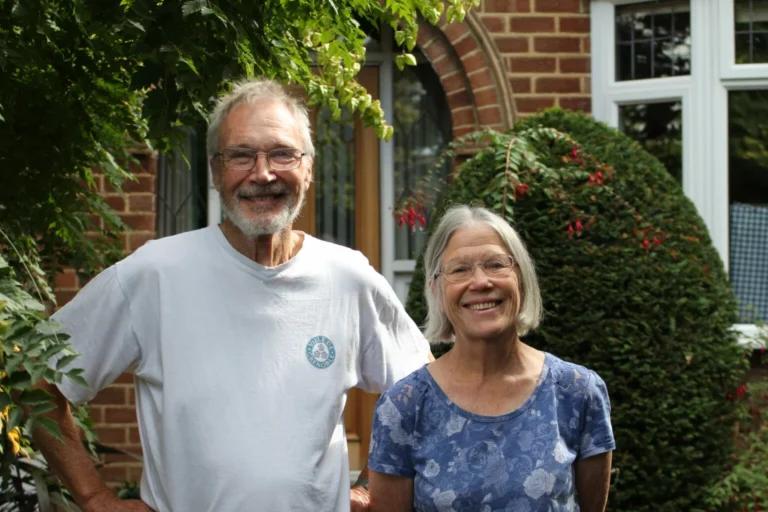
This 1930s East Oxford home transformed with insulation, glazing, and ventilation – cutting carbon, lowering bills, Read more...
Case study
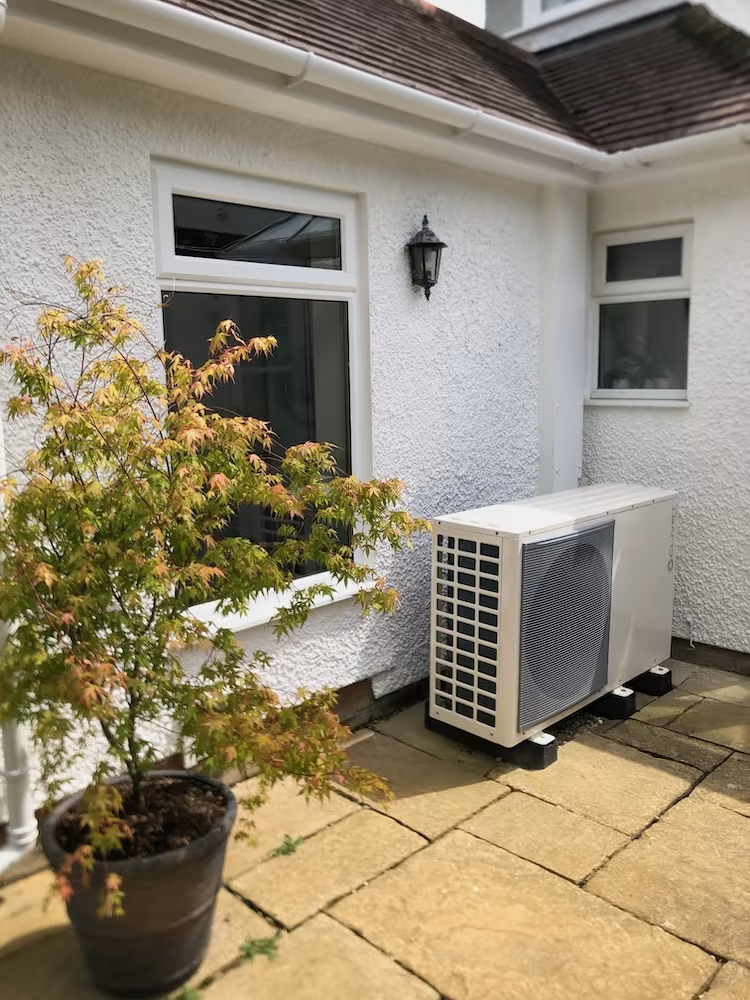
Jane's 1910 Edwardian home had charm but was freezing in places, especially her home office Read more...
FAQs
Answering your questions
Got more questions? Send us your enquiry below
1. I’ve heard heat pumps only work in modern, well - insulated homes. Is this true?
No, if done properly, heat pumps can be installed in all sorts of homes, but it’s true that the more energy-efficient your home is, the more efficiently your heat pump will run and the lower your energy bills will be. That’s why we recommend that you install as many insulation and airtightness improvements as your budget will allow before installing a heat pump. You may also need to replace some of your radiators to compensate for the fact that the water circulating in a heat pump system is cooler than from a gas boiler (but still warm enough to heat your home). Our heat pump installer will assess the radiator upgrades required and include these in their final quote.
2. Are you independent, or will you try to sell me a specific product?
We are 100% independent. Unlike a double-glazing salesman or a boiler installer, we aren't trying to shift stock. Our loyalty is to you and your home. We look at the data and recommend what your property actually needs, whether that’s a heat pump, insulation, or simply better ventilation. If an upgrade isn't right for your home, we will tell you.
3. Do I have to do all the work at once?
Not at all. In fact, we often recommend a "staged" approach. Our Whole House Plan gives you a master roadmap for your home. You might choose to do the "quick wins" (like loft insulation) now, and save the bigger jobs (like a heat pump) for a few years down the line. The plan ensures that whatever you do today is compatible with what you do tomorrow.
4. Should I avoid insulating my cavity walls?
No, but you should make sure you use a competent, responsible installer who will do the job right. Most of the issues relate to dampness issues caused by installing cavity wall insulation in the wrong location or with inappropriate materials.
One issue is exposed locations where wind-driven rain hits one side of the house. Our installers will check your location to ensure it is suitable for cavity wall insulation.
Another issue is cavities that are unsuitable for insulation, either because it is too narrow or because it is filled with materials such as mortar and rubble. Our installers will check the cavities in your walls to ensure they are suitable for insulation.
A final issue is inappropriate materials that wick moisture from the outer leaf of the wall, which is exposed to the elements, to the inner leaf, which should remain dry. Our installers will only use appropriate materials.
5. Do problems with solid wall insulation mean it’s a bad idea?
Again, no; but it is important to use a Retrofit Coordinator with experience of working on older homes and installers who know which materials to use and, just as importantly, have a proven track record of installing them.
Some of the issues that have been reported in the retrofit industry: Use of inappropriate insulation systems on traditional solid walls. Solid walls are designed to ‘breathe’ – to allow water vapour to move freely. Problems tend to arise when impermeable materials (e.g., insulation, plaster, render) are used, trapping moisture inside walls.
Poor design or installation of insulation systems. Specific issues can include failure to protect the insulation system from the elements, e.g. allowing rainwater to get into or behind the insulation. Insulation of damp walls. If walls have existing dampness issues, it’s important to fix them at source with an appropriate solution and allow the walls adequate time to dry out before installing insulation. Hiding the problem behind new layers is never a good idea.
Problems caused by inadequate ventilation. Many homes, particularly older ones, have an inadequate ventilation system but are draughty, and these two factors have cancelled each other out. When homes are insulated or made more airtight, this inadequate ventilation can become a problem, leading to issues like high humidity, poor air quality, condensation, mould, health issues like asthma and allergies, and even structural issues like dry or wet rot. This is why it is essential to include a ventilation upgrade when installing energy efficiency measures.
6. What is the vetting process for your trusted contractors and suppliers?
Contractors and suppliers who work on Cosy Homes London projects have to first become members of the RetrofitWorks cooperative. This means they have been vetted through their application process, are members of the national quality assurance schemes TrustMark (www.trustmark.org.uk) and MCS (https://mcscertified.com), and are being supported by the RetrofitWorks team and network.
7. My house is very old / in a conservation area. Can you still help?
Yes. This is actually our specialty. We understand that Victorian terraces and heritage properties need to “breathe” and cannot be treated like modern new-builds. We specify appropriate materials (like wood fibre insulation or lime plaster) and can guide you through planning restrictions to ensure your upgrades improve the home without damaging its character or structure.
8. How do I know your installers are trustworthy?
We know that finding reliable tradespeople is one of the biggest stresses for homeowners. That’s why we do the hard work for you. We have a network of vetted, TrustMark-accredited contractors whom we have worked with on previous projects. We check their insurance, their qualifications, and the quality of their past work so you don’t have to worry about “cowboy builders.”
9. Will these upgrades definitely lower my energy bills?
While every home is different, the primary goal of retrofit is to reduce energy waste. By improving insulation and airtightness, you reduce the amount of heat escaping your home, which typically leads to lower heating demand. During our assessment phase, we can model the estimated savings for your specific property so you can see the potential return on investment before you commit to any construction work.

Ready to take the first step?
Start your journey to a cosier more efficient home
Fill out the quick form below, and a member of our team will get in touch with information on how the service works and the next steps.